
Teaching Children to Express Their Needs in Healthy Ways: A Relationship-Based Approach ( Part One of Two)
Many of us think of the new year as a chance for a fresh start. When we’re parenting or caring for children impacted by trauma, that reset needs to be gentle rather than pressured. Healing does not happen through perfection. It happens through progress, compassion, and staying present one moment at a time.
This blog is Part One of a two-part series, Teaching Children to Express Their Needs in Healthy Ways: A Relationship-Based Approach. This approach is offered as an alternative to traditional discipline methods that often do not work well for children impacted by trauma. Instead of focusing on punishment or control, this approach centers on connection, emotional safety, and skill-building.

This blog will focus on parent and caregiver self-regulation and on learning to recognize the underlying needs beneath trauma-driven behaviors. Part Two will build on this foundation by exploring how to redirect children and youth toward healthier ways to express those needs.
Why Traditional Discipline Often Falls Short
As parents and caregivers, we often find ourselves responding to moments when children are overwhelmed, dysregulated, or behaving in ways that feel confusing or intense. These moments can leave us feeling unsure, ineffective, or pulled into power struggles we never intended.
Traditional discipline approaches tend to ask, “How do I make this behavior stop?” They often rely on consequences meant to deter future behavior. For children impacted by trauma, however, these strategies can increase fear, shame, and disconnection—making the behavior more likely to continue, not less.
A relationship-based approach shifts the question to something more powerful: “What is my child communicating, and how can I help them learn a safer way?”
A Gentle But Needed Reset for Parents
A reset does not mean getting it right every time. It means pausing, reflecting, and choosing a more trauma-informed path forward—one rooted in compassion, safety, and hope.
Children impacted by trauma often rely on stress responses not because they want to be difficult, but because their nervous systems are trying to protect them. Our role as caregivers is not to eliminate these responses through force, but to teach new skills while preserving connection.
This approach communicates a critical message: Nothing a child does puts the relationship at risk.
Secure attachment is the foundation that makes learning possible. It is not something children earn through good behavior. It lets a child know that your connection is unconditional, as is your child's worth.
A Relationship-Based Approach
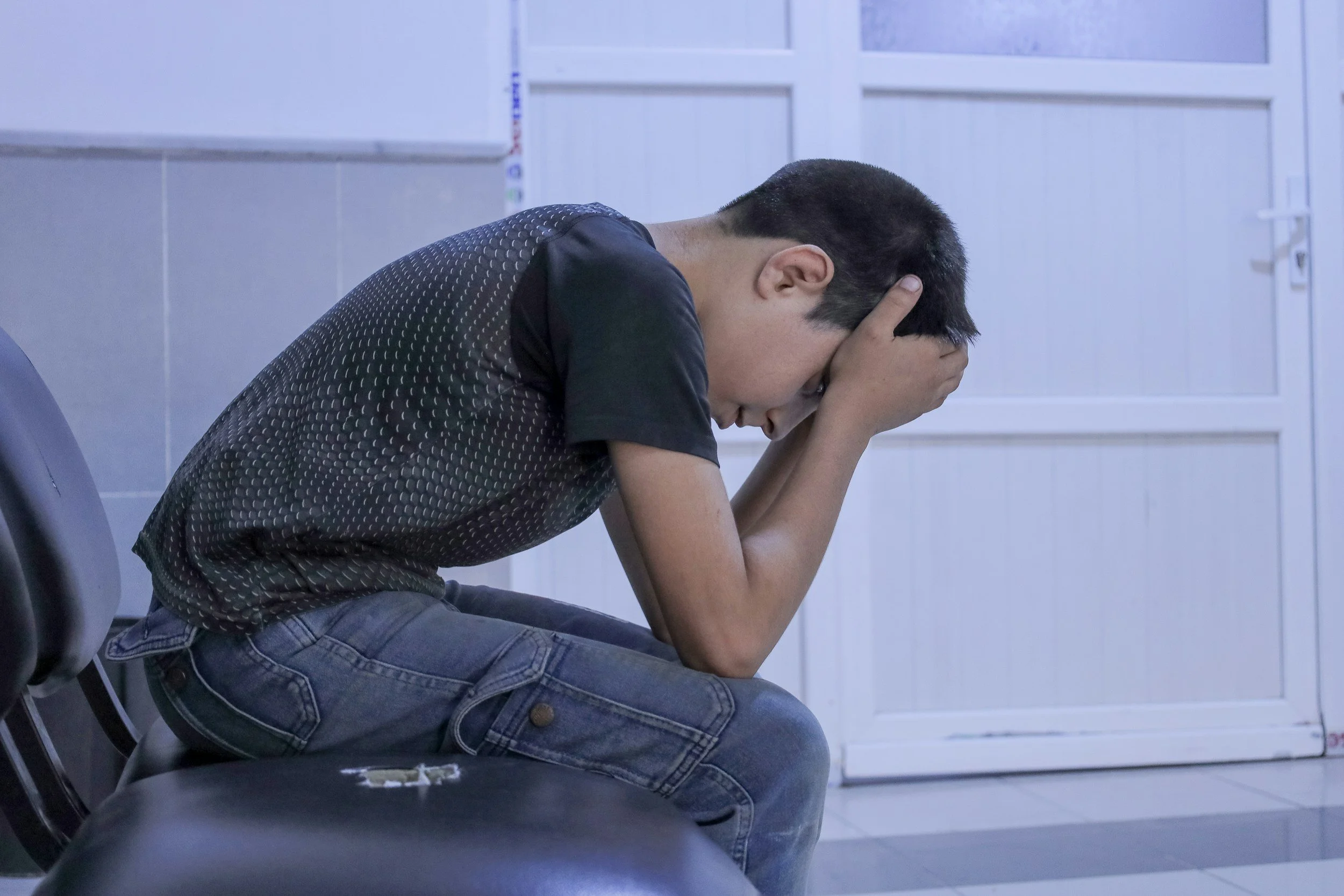
Children impacted by trauma often rely on stress responses — not because they want to be difficult, but because their nervous systems are doing their best to protect them. Our role as caregivers is not to eliminate these responses through force, but to teach new skills that help children meet their needs while preserving connection and safety.
Traditional approaches focus on “How do I make this behavior stop?” They center on consequences to deter future negative behavior. A relationship-based approach prioritizes emotional safety and connection over immediate compliance. It communicates that nothing the child can do will jeopardize the bond between the parent and child. The goal is to teach, not control. It recognizes that the most powerful tool for teaching trauma-affected children and youth is the strength of that bond.
Instead of asking, “How do I stop this?” we ask, “What is my child communicating – and how can I help them learn a better way?
This approach reassures children that the relationship is secure, even when limits are set. It recognizes that connection is not based on good behavior — it is the foundation for learning.
The 3 R’s of A Relationship-Based Approach
Relationship-based parenting is not about being permissive or lowering expectations. It does not eliminate natural or logical consequences. It helps to hold limits without escalating fear, shame or power struggles.
The 3 R’s - Respond → Recognize → Redirect both models and teaches how to express one’s needs healthily. It promotes responding instead of reacting, understanding underlying needs, and finding more effective ways to meet those needs.
RESPOND (Vs React) - Pause and choose a calm, intentional response.
Responding means pausing and choosing a calm, intentional response—even when emotions are high.This step focuses on co-regulation. Dr. Bruce Perry’s Neuro-sequential Model (NTDC Classroom: Trauma-Informed Parenting – Sequential Engagement) reminds us: Regulate first, then relate, then reason.
Responding might include:
Taking a breath and lowering intensity
Noticing your own emotions and grounding yourself
Attending to immediate safety need
Using internal and external supports
"Every calm response is an opportunity to reset the interaction and the brain.”
Recognize the Need Behind the Behavior
When we view moments of dysregulation through a trauma lens, we can replace judgment with curiosity and compassion. Instead of asking, “Why are they doing this?” we ask, “What is my child trying to get or protect right now?”
Common underlying needs include:
Safety
Connection
Control or agency
Help with regulation
Escape from feeling overwhelmed
Understanding these needs helps us stay regulated ourselves and lead with empathy rather than control. "Behavior is communication, especially under stress."
Redirect Toward Skill-Building
(This concept is introduced here; explored more fully in Part Two)Redirection is not just about stopping behavior—it’s about teaching skills trauma may have interrupted. Children often need coaching, modeling, and practice to learn safer and more effective ways to meet the same need.
“The goal is growth, not compliance.”
What Stress Responses Might Be Communicating

Children and adolescents impacted by trauma often have heightened stress responses that don’t match age-based expectations. These reactions are driven by an overactive nervous system, limited access to emotional regulation skills, and a deep sense of feeling unsafe, overwhelmed, or powerless.
When we understand stress responses, we can respond with compassion rather than mislabeling these behaviors as intentional or defiant. Common stress responses are:
Fight
Flight
Freeze
Fawn
the Flight Response
This may look like aggression, defiance, yelling, arguing, or intense power struggles. Possible underlying needs:
To feel heard or understood
A sense of control or agency
Help regulating big emotions
Clear, calm leadership from an adult
the Freeze Response
This often shows up as avoidance—refusing tasks, running away, shutting down, or withdrawing. Possible underlying needs:
Tasks broken into smaller steps
Reassurance about failure or disappointment
Support managing anxiety
Predictable structure
An adult who stays nearby
The Fawn Response
Often overlooked, this can look like people-pleasing, over-achieving, or taking on adult roles. Possible underlying needs:
Reassurance that love is not conditional
Permission to have needs and boundaries
Support practicing assertive communication
Validation without pressure to comply
Moving Forward with Hope
A reset doesn’t happen once—it happens again and again.
Each time we redirect our children toward safer, more effective ways to meet their needs, we are building new pathways for healing.
Progress may be slow. There will be setbacks.
And still—every moment of connection matters.
If you’re parenting a child impacted by trauma, know this:
You are not failing.
You are learning.
And your presence, patience, and willingness to grow alongside your child are powerful tools for healing.
You Don’t Have to Do This Alone
Parenting a child impacted by trauma can feel heavy at times. It can bring moments of doubt, exhaustion, and questions about whether you’re responding in the “right” way. What matters most is not perfection—but your presence, your willingness to pause, and your commitment to connection.
CGRC believes caregivers deserve the same care, understanding, and support that we offer children. One way we create space for learning and connection is through our Free Monthly Trauma-Sensitive Parenting Series—a gentle, supportive opportunity for parents and caregivers to learn, reflect, and feel less alone.
The series is held the first Wednesday and Thursday of each month from 7:00–8:00 PM via Zoom and is open to parents and caregivers at no cost. Sessions are designed to meet families where they are, offering practical guidance and reassurance in a welcoming, nonjudgmental space.
If joining feels supportive for you, you’re invited to register here:
https://form.jotform.com/232435194380152
At CGRC, we are honored to walk alongside families as they navigate healing—one relationship, one moment, and one step at a time. In Part Two of this series, we will explore practical ways to redirect children and youth toward safer, more effective expressions of their needs—while continuing to protect the relationship that makes healing possible.