Helping Children Cope When Addiction Affects the Family
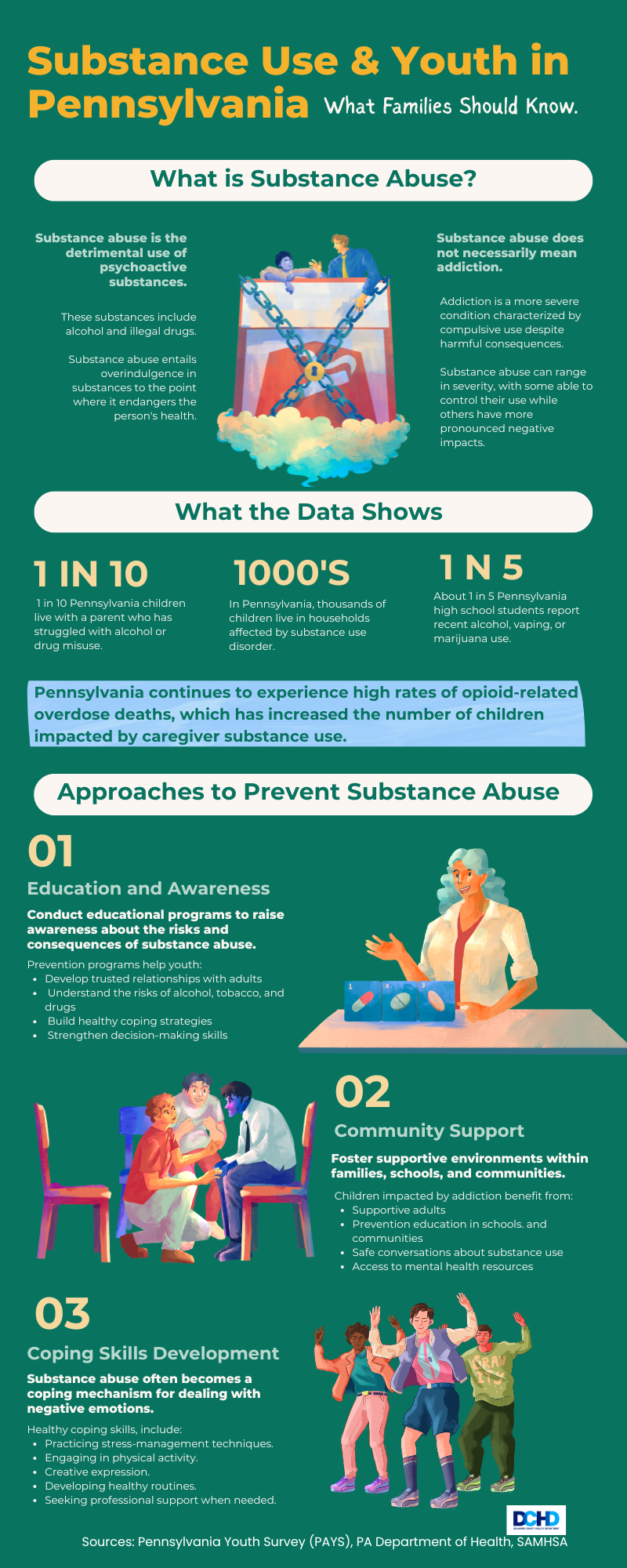
Substance use disorder rarely affects just one person. When a parent or caregiver struggles with addiction, it can ripple throughout the entire family.
Children living in households affected by substance use often experience uncertainty, emotional stress, and disruptions to their sense of safety. While every child’s experience is different, many carry feelings they don’t always have the words to describe.
Understanding the needs of these children—and responding with compassion and early support—can make a meaningful difference in their long-term well-being.
The Effect onChildren and Why Early Support Matters
Children who grow up in homes affected by addiction may face challenges that extend beyond what is immediately visible. Some children experience:
Increased anxiety or chronic stress
Difficulty trusting adults or forming stable relationships
Emotional withdrawal or behavioral challenges
Academic struggles or trouble concentrating
A tendency to take on adult responsibilities too early
Research shows that children in these environments may also face a higher risk of developing mental health challenges or substance use concerns later in life. But risk does not mean inevitability. Children can develop resilience, healthy coping skills, and a strong sense of self.
Children can learn healthy coping strategies when they have stable, caring relationships and access to supportive resources.
Early intervention can help children:
Understand that addiction is not their fault
Learn healthy ways to process emotions
Build coping and problem-solving skills
Develop confidence and emotional regulation
Strengthen protective factors that reduce future risk
When families, schools, and communities work together to support children early, we create opportunities for healing and growth that can change the trajectory of a child’s life.
Talking to Children About Addiction
For many families, conversations about addiction can feel uncomfortable or difficult to begin. However, age-appropriate, honest conversations can help children make sense of what they are experiencing. Helpful approaches include:
Reassuring children that they are not responsible for the addiction
Encouraging open dialogue about feelings and questions
Providing clear information about the effects of substances
Helping children identify trusted adults they can turn to for support
These conversations are not about blame—they are about building understanding and safety.
The Role of Prevention and Education
Prevention programs play an important role in helping young people develop the knowledge and skills they need to make healthy decisions.
Programs that focus on Alcohol, Tobacco, and Other Drug (ATOD) prevention help youth:
Understand how substances affect the brain and body
Build refusal and decision-making skills
Strengthen emotional resilience
Develop healthy coping strategies for stress and peer pressure
When prevention education is paired with supportive environments at home and school, it becomes a powerful tool for protecting youth and strengthening families.
Creating a Community of Support
Children affected by addiction benefit most when the adults around them work together. Parents, caregivers, educators, and community organizations all play a role in creating environments where children feel safe, heard, and supported.
At Child Guidance Resource Centers (CGRC), we believe prevention, education, and early support are essential in helping children navigate difficult family experiences. Through counseling, community partnerships, and prevention education—including programs focused on alcohol, tobacco, and other drug awareness—we work to equip young people with the tools they need to build healthy futures.
Learn More About Prevention and Support
Children and families navigating the impact of substance use deserve understanding, education, and supportive resources. Prevention and early education can help young people build the knowledge and resilience they need to make healthy choices.
At Child Guidance Resource Centers (CGRC), we offer community and school-based programs focused on Alcohol, Tobacco, and Other Drug (ATOD) prevention, helping youth develop decision-making skills, understand the impact of substance use, and strengthen protective factors that support long-term well-being.
To learn more about CGRC’s prevention programs or to explore resources for families and schools, visit: https://www.cgrc.org/atod.
By recognizing the needs of children affected by addiction—and responding with compassion—we can help ensure that every child has the chance to grow, heal, and move forward with hope.
Sources
Citation: Lipari, R., & Van Horn, S. (2017). Children Living with Parents Who Have a Substance Use Disorder.
SAMHSA https://www.samhsa.gov/data/report/children-living-parents-who-have-substance-use-disorder
Pennsylvania Commission on Crime and Delinquency, Pennsylvania Youth Survey (PAYS)
https://www.pccd.pa.gov/Juvenile-Justice/Pages/Pennsylvania-Youth-Survey-(PAYS).aspx
Pennsylvania Department of Health
https://www.pa.gov/agencies/health/programs/substance-use-disorder.html