Young Adults Are Reporting Higher Stress Levels — What It Means for Families and Communities
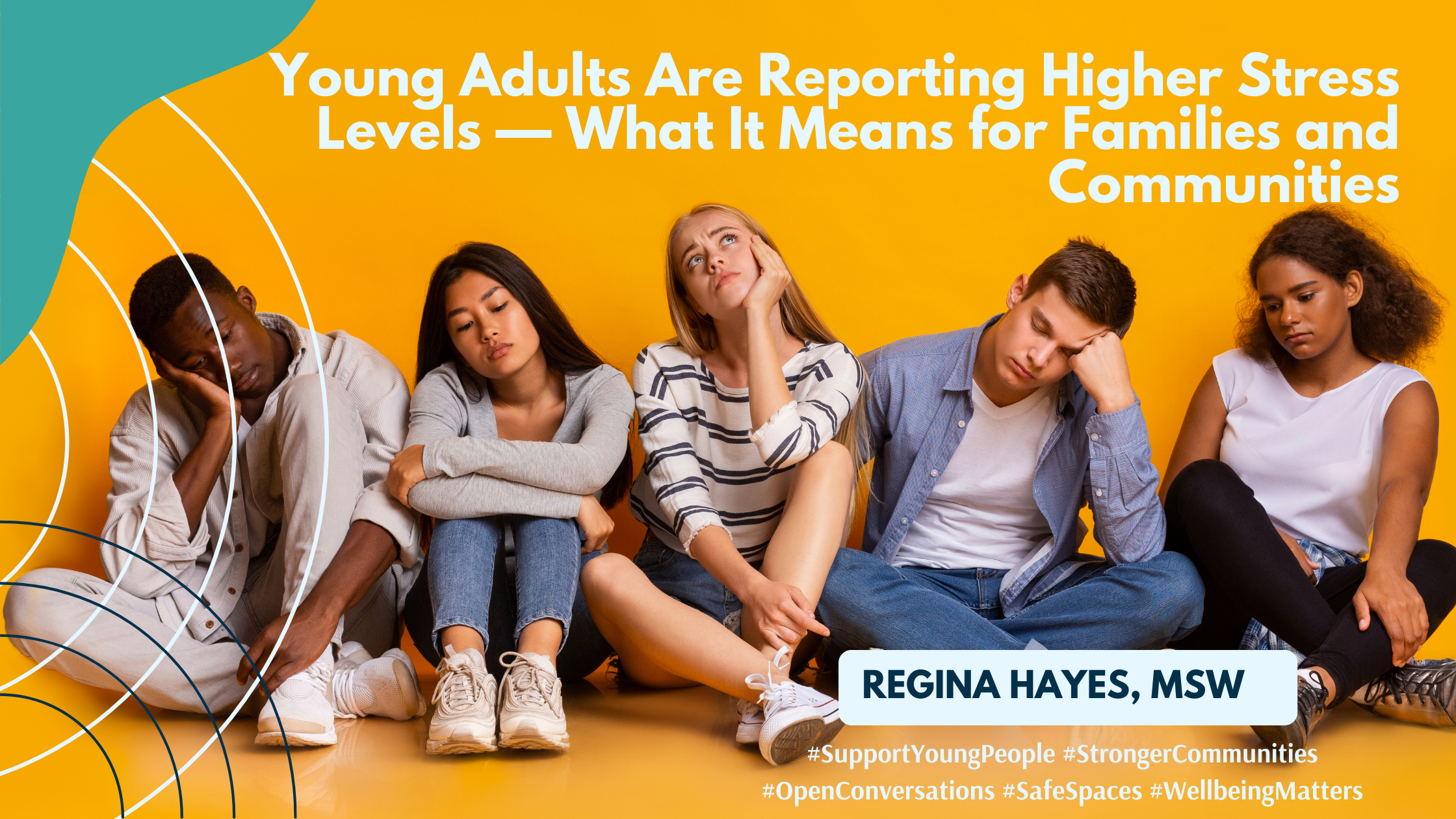
Nearly 1 in 3 high school students report persistent feelings of sadness or hopelessness (CDC Youth Risk Behavior Survey).
Recent national reporting highlights a concerning trend: young adults are experiencing higher stress levels amid the ongoing U.S. mental health crisis. While stress is a normal part of life, chronic or overwhelming stress can significantly impact emotional well-being, physical health, academic performance, and relationships.
For families, educators, and community leaders, this moment calls for deeper awareness — and proactive support.
At Child Guidance Resource Centers (CGRC), we see firsthand how stress, uncertainty, and pressure affect adolescents and young adults. The good news? Early recognition and supportive intervention can make a meaningful difference.
Why Are Young Adults Feeling More Stressed?
Today’s young adults are navigating a complex landscape. Contributing factors may include:
Academic and career pressure
Financial instability and economic uncertainty
Social media comparison and digital overload
Exposure to national and global crises
Social isolation and shifting social dynamics
Lingering impacts of the pandemic
For many, stress isn’t just situational — it feels constant. When stress becomes chronic, it can increase the risk of anxiety, depression, sleep disruption, and difficulty concentrating.
What the Data Shows in Pennsylvania
The rise in stress among young adults is not just a national headline — it’s visible here in Pennsylvania.
Recent state and regional data shows:
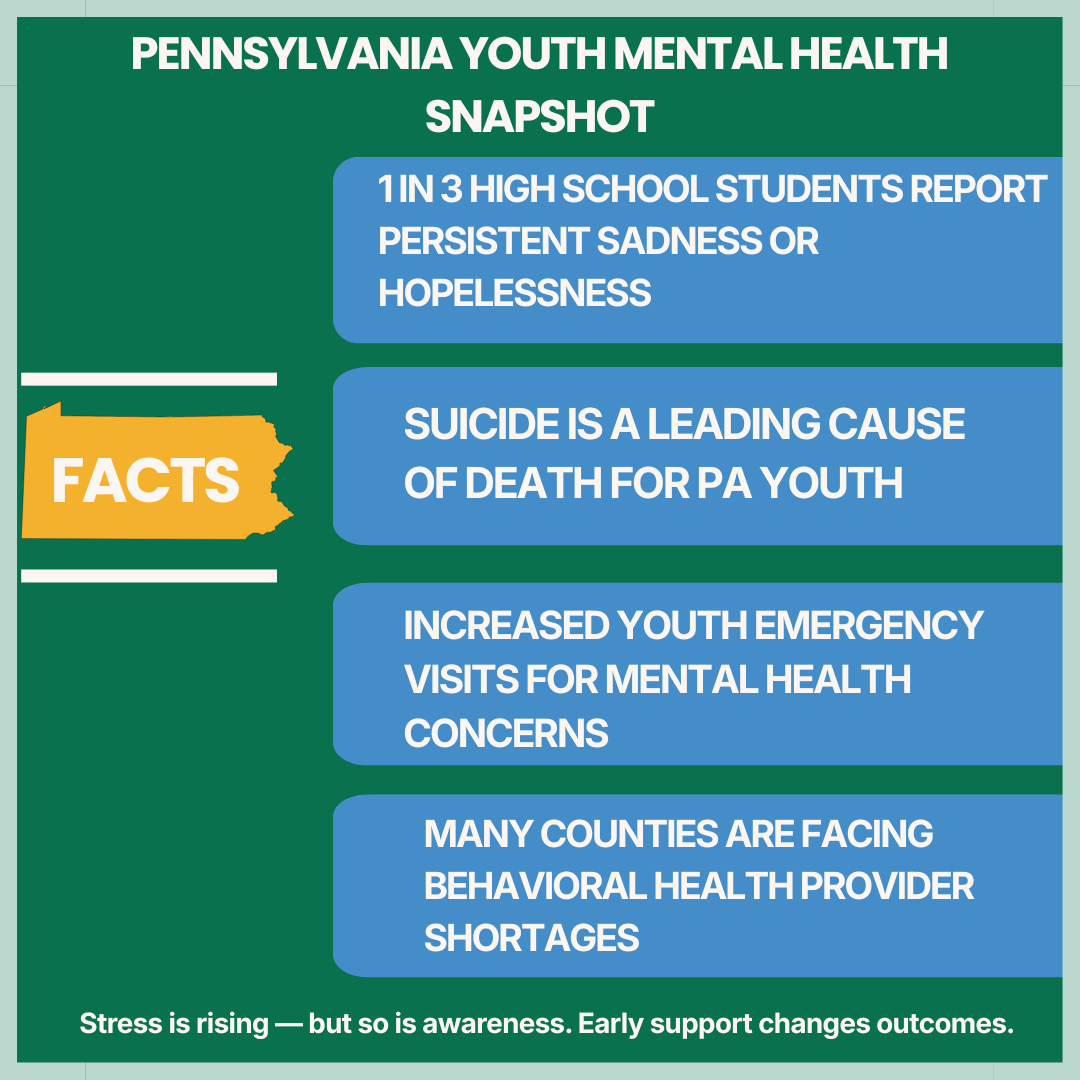
Over 1 in 3 Pennsylvania high school students report persistent feelings of sadness or hopelessness.
Suicide remains one of the leading causes of death among youth and young adults in the state.
Emergency department visits for mental health concerns among adolescents have increased in recent years.
Many Pennsylvania counties — particularly rural and underserved communities — face shortages of licensed behavioral health providers.
In Southeastern Pennsylvania and surrounding regions, schools and community agencies continue to report increases in:
Anxiety-related symptoms
School avoidance
Emotional dysregulation
Stress related to academic and social pressures
These numbers aren’t just statistics — they represent young people navigating pressure without enough consistent support. Today’s young adults are navigating a complex landscape.
This heightens the need for early intervention, school-based services, and accessible community care.
For many, stress isn’t just situational — it feels constant. When stress becomes chronic, it can increase the risk of anxiety, depression, sleep disruption, and difficulty concentrating.
Stress vs. Mental Health Conditions
It’s important to distinguish between temporary stress and deeper mental health challenges.
Stress becomes concerning when:
It persists for weeks or months
It interferes with sleep, appetite, or focus
It causes withdrawal from friends or activities
It leads to feelings of hopelessness or helplessness
It triggers physical symptoms like headaches or stomachaches
Young adults may not always verbalize what they’re feeling. Instead, stress may show up as irritability, avoidance, emotional outbursts, or shutting down.
Recognizing these signs early is critical.
The Impact of Chronic Stress on the Brain
Prolonged stress activates the body’s fight-flight-freeze response. Over time, this can:
Reduce emotional regulation
Increase reactivity
Impair decision-making
Disrupt sleep cycles
Lower resilience
For developing brains — particularly in adolescents and young adults — chronic stress can shape patterns that persist into adulthood.
That’s why early intervention matters.
What Families and Caregivers Can Do
You don’t need to have all the answers. What young adults often need most is presence and validation.
Here are supportive steps families can take:
1. Normalize conversations about stress.
Let them know it’s okay to talk about pressure, fear, or overwhelm.
2. Reduce the “fix it” instinct.
Listening without immediately problem-solving builds trust.
3. Help them identify stress triggers.
Is it school? Social pressure? Financial concerns?
4. Encourage practical regulation strategies.
Breathing exercises, physical activity, journaling, creative outlets.
5. Model healthy coping.
Young adults learn emotional regulation from the adults around them.
When to Seek Professional Support
If stress begins to interfere with daily functioning, professional mental health support can be transformative.
Therapy is not a last resort — it’s a proactive step toward resilience.
Young adults may benefit from:
Individual counseling
Stress management strategies
Trauma-informed support
Skill-building around emotional regulation
Seeking help is a sign of strength, not weakness.
Bridging the Gap in Youth Mental Health
The broader mental health crisis reminds us that systemic solutions are necessary — including expanded access to care, reduced stigma, and community-based support.
At Child Guidance Resource Centers (CGRC), we are committed to guiding children, supporting families, and transforming communities through trauma-informed, accessible mental health services. We work with youth and young adults to build coping skills, strengthen emotional regulation, and create pathways toward stability and hope.
If you are concerned about a young person in your life, you don’t have to navigate it alone.
👉 Learn more about our services at www.cgrc.org
A Final Thought
Stress may be rising — but so is awareness. Conversations about mental health are becoming more open, and resources are expanding.
By paying attention, responding early, and leading with compassion, we can help young adults move from overwhelm to resilience — one step at a time.